Understanding the Importance of Early Education
Early education is the cornerstone of a child’s development, laying the foundation for lifelong learning and success. At this critical stage, children undergo rapid cognitive, emotional, and social growth. This period is marked by their natural curiosity, which, when nurtured through structured educational experiences, fosters a love for learning that can last a lifetime. Early education is not merely an academic endeavor; it is a holistic approach that encompasses various aspects of a child’s development.
Research consistently underscores the profound impact of early education on a child’s future achievements. Children who engage in quality early education programs often exhibit enhanced cognitive abilities, improved language skills, and stronger social interactions. These programs are designed to stimulate young minds, encouraging them to explore their environment while building critical thinking and problem-solving skills. Moreover, early education facilitates the development of emotional intelligence by teaching children how to understand and manage their emotions, thereby fostering resilience and adaptability.
In addition to individual benefits, early education plays a vital role in the broader societal context. It helps bridge educational disparities by providing all children with an equitable start, thereby promoting inclusivity and diversity. Investing in early education is not just investing in a child’s future; it is investing in the future of society as a whole. By understanding and supporting the importance of early education, we pave the way for brighter futures for our children and our communities.
Key Benefits of Early Education for Children’s Development
Early education serves as a cornerstone for children’s development, offering a multitude of benefits that extend beyond mere academic prowess. At its core, early education provides young learners with an environment conducive to nurturing their cognitive, social, and emotional growth. By engaging in structured learning activities, children not only acquire foundational literacy and numeracy skills but also develop critical thinking and problem-solving abilities that are essential for their future educational endeavors.
One of the most significant advantages of early education is the enhancement of cognitive development. During the formative years, a child’s brain is exceptionally receptive to acquiring new information, and engaging in stimulating educational activities can enhance memory, attention span, and language skills. This early exposure to structured learning helps build a robust framework for understanding complex concepts later in life.
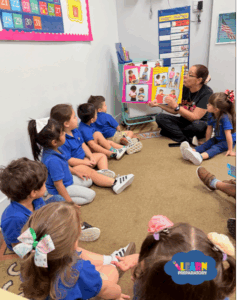
Social development is another crucial benefit of early education. In a classroom setting, children learn to cooperate, share, and communicate effectively with their peers. These interactions foster empathy and understanding, which are vital for developing interpersonal relationships. Moreover, early education encourages children to express themselves confidently, laying the groundwork for strong communication skills.
Emotionally, early education can significantly impact a child’s self-esteem and resilience. By participating in diverse activities and overcoming challenges, children learn to navigate their emotions and build a sense of accomplishment. This emotional intelligence is integral to their ability to adapt to new situations and manage stress effectively.
In essence, early education equips children with a well-rounded skill set that prepares them for future success. By investing in their early development, we pave the way for a brighter, more promising future for the next generation.
How Early Education Shapes a Bright Future
Early education serves as the cornerstone of lifelong learning, laying the groundwork for a bright future. This formative phase, often spanning from birth to the age of eight, plays a pivotal role in shaping a child’s cognitive, social, and emotional development. By engaging in structured early education programs, children gain essential skills that extend far beyond basic literacy and numeracy.
Building Blocks for Cognitive Development
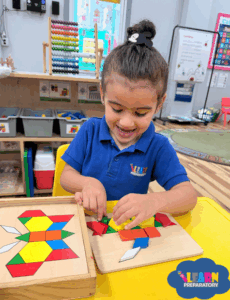
From an early age, children possess a remarkable capacity for learning. Early education harnesses this potential by introducing young learners to a stimulating environment filled with rich, diverse experiences. Activities are designed to foster critical thinking and problem-solving abilities, encouraging children to explore, question, and engage with their surroundings. This early cognitive stimulation sets the stage for future academic success, as children who participate in high-quality early education programs often demonstrate enhanced cognitive abilities and a strong foundation for lifelong learning.
Fostering Social and Emotional Growth
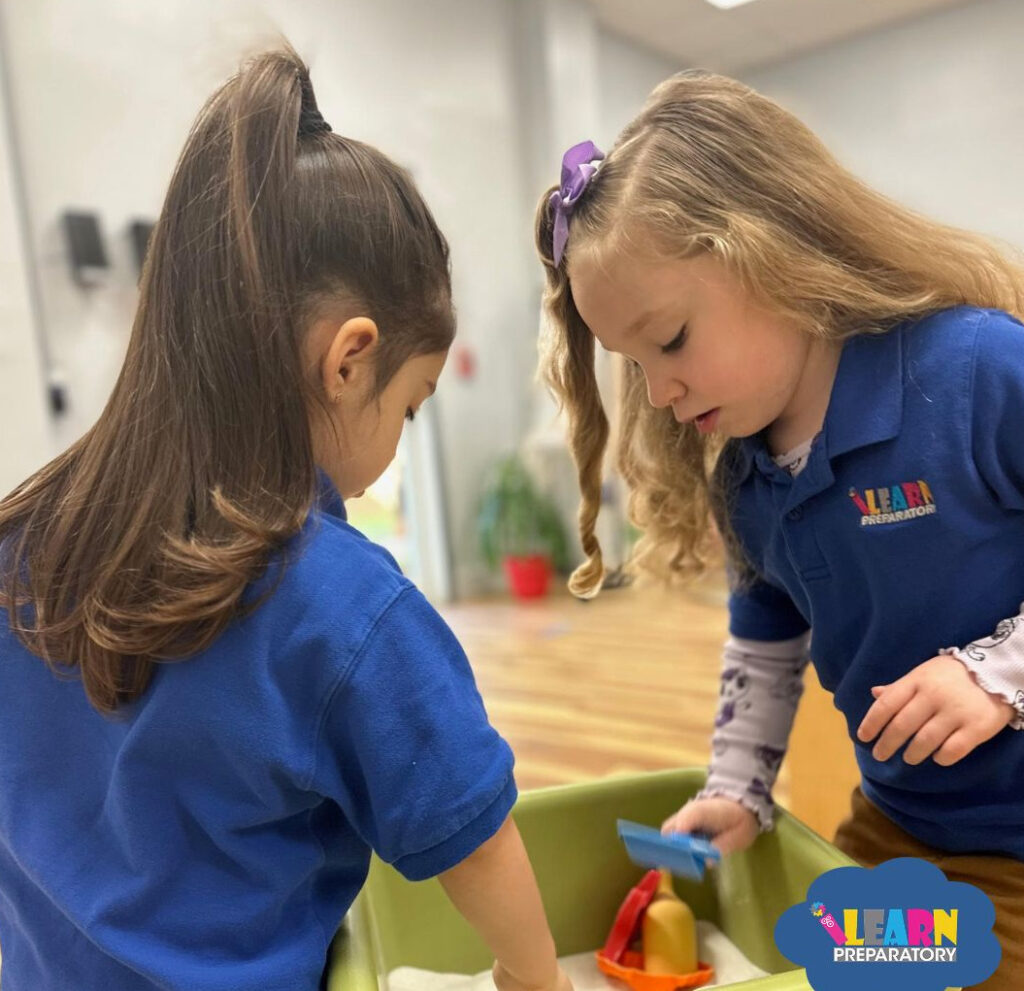
Beyond academic skills, early education is instrumental in nurturing a child’s social and emotional development. Interacting with peers in a structured setting helps children develop vital social skills such as cooperation, communication, and empathy. Moreover, early education provides a safe space for children to express themselves, manage their emotions, and build confidence. These skills are crucial as they navigate the complexities of social interactions throughout their lives.
In essence, early education does more than prepare children for school; it equips them with the tools to succeed in life. By investing in quality early education, we are not just shaping individual futures but also laying the foundation for a brighter, more educated society. Each child who embarks on this educational journey is a step toward a future filled with promise and opportunity.
Fun Learning Activities to Encourage Young Minds
Encouraging young minds to explore the world around them through engaging and fun learning activities is crucial for their cognitive and emotional development. These activities not only spark curiosity but also lay a strong foundation for lifelong learning. By incorporating playful learning experiences, educators and parents can foster an environment where children feel safe to explore, ask questions, and develop critical thinking skills.
Interactive Storytelling
One of the most effective ways to captivate a child’s interest is through interactive storytelling. This activity encourages imagination and creativity, allowing children to explore different characters and settings while learning new vocabulary and sentence structures. By asking questions and prompting children to come up with their own storylines, adults can enhance their narrative skills and boost their confidence in verbal expression.
Hands-On Science Experiments
Science experiments offer a fantastic way to introduce young learners to the wonders of scientific discovery. Simple experiments, such as growing plants from seeds or creating a homemade volcano, can explain basic scientific concepts in an engaging and memorable way. These activities not only teach children about cause and effect but also encourage them to hypothesize and experiment—key components of scientific inquiry.
Art and Craft Projects
Art and craft projects are another excellent method to promote creative thinking. Activities like painting, drawing, or building models allow children to express themselves freely while developing fine motor skills. Moreover, discussing their artwork helps improve their ability to articulate thoughts and feelings, fostering emotional intelligence.
By integrating these fun and educational activities into early education, we set the stage for children to develop a love for learning that extends beyond the classroom, preparing them for a bright and promising future.
Selecting the Right Early Education Program for Your Child
As parents, ensuring your child embarks on a path to a bright and successful future is paramount. Selecting the right early education program plays a critical role in shaping their developmental journey. But with a plethora of options available, how do you determine the most suitable fit for your child’s unique needs?
Firstly, consider the educational philosophy of the program. Different institutions adopt various teaching methodologies, from Montessori’s child-centered approach to Reggio Emilia’s emphasis on self-expression and creativity. Understanding these philosophies can help you align your choice with your child’s learning style and temperament.
Location and Accessibility
Practical considerations such as location and accessibility are equally important. A conveniently located program reduces commute time, allowing for a more balanced daily schedule. Proximity can also increase your engagement with the school community, fostering relationships that support your child’s education.
Teacher Qualifications and Class Size
Additionally, evaluate the qualifications of the educators. Experienced and passionate teachers can significantly influence your child’s enthusiasm for learning. Pay attention to class size as well, as smaller classes often mean more personalized attention and a supportive learning environment.
Finally, visit prospective programs and observe the classroom dynamics. The environment should feel welcoming and safe, with resources that stimulate curiosity and exploration. Engage with staff and other parents to gain insights into the school’s culture and community involvement.
Ultimately, selecting the right early education program is about finding a nurturing space where your child can flourish intellectually, socially, and emotionally, laying the groundwork for a bright and promising future.